喀什HOT ROLLED COIL (HRC) LINES
产品描述
|
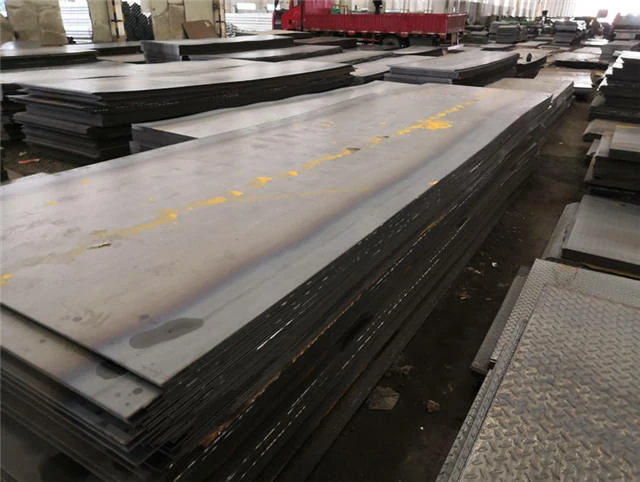
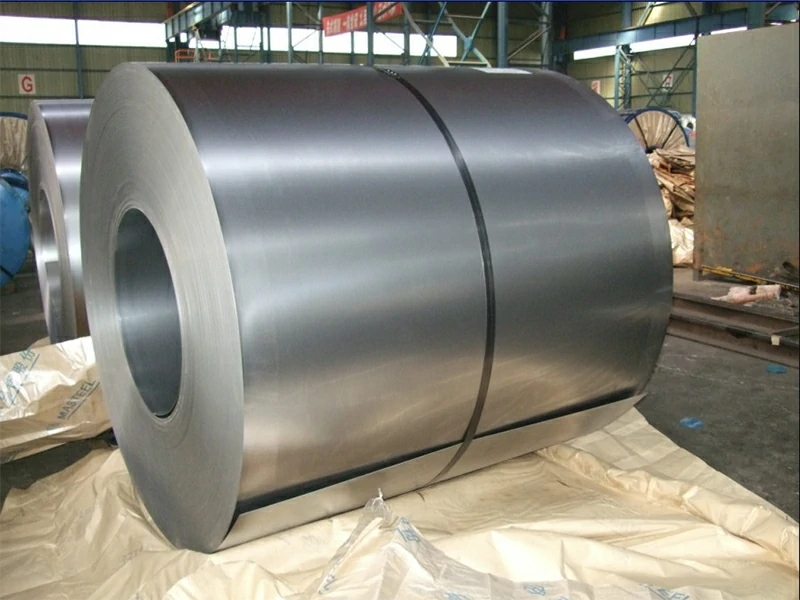
“ PRODUCTS DESCRIPTION Hot rolled steel is steel that has been roll-pressed at very high temperatures—over 1,700˚F, which is above the re-crystallization temperature for most steels. This makes the steel easier to form, and resulting in products that are easier to work with.
To process hot rolled steel, our first start with a large, rectangular length of metal, called a billet. The billet is heated and then sent for pre-processing, where it is flattened into a large roll. From there, it is kept at a high temperature and run through a series of rollers to achieve its finished dimensions. The white-hot strands of steel are pushed through the rollers at high speeds. For sheet metal, rolled steel is spun into coils and left to cool. For other forms, such as bars or plates, materials are sectioned and packaged.
Steel shrinks slightly as it cools. Since hot rolled steel is cooled after processing, there is less control over its final shape, making it less suitable for precision applications. Hot rolled steel is often used in applications where minutely specific dimensions aren’t crucial. Railroad tracks and construction projects often use hot rolled steel.
Because the steel is rolled hot, and the reduction from slab to coil is great, the coil surfaces are noticeably rough and slightly oxidized. It is recommended for precision thickness Hot Rolled Strip and high formability.
Hot rolled steel coil & sheet is more affordable than cold rolled steel because it is not processed after it is hot-rolled except for pickling when required to remove surface scale. Hot rolled steel can often be identified by the following characteristics: A scaled surface—a remnant of cooling from extreme temperatures Slightly rounded edges and corners for bar and plate products (due to shrinkage and less precise finishing) Slight distortions, where cooling may result in slightly trapezoidal forms, as opposed to perfectly squared angles
Hot rolled steel typically requires much less processing than cold rolled steel, which makes it a lot cheaper. Because hot rolled steel is allowed to cool at room temperature, it’s essentially normalized—meaning it’s free from internal stresses that can arise from quenching or work-hardening processes. Hot rolled steel is ideal where dimensional tolerances aren’t as important as overall material strength, and where surface finish isn’t a key concern. Where surface finish is a concern, scaling can be removed by grinding, sand blasting, or acid-bath pickling.
We will be glad to help you select the exact grade for your Hot Rolled Steel Coils & Plates. Our supplier production line : |
|||
PRODUCTS PROCESS |
|
||
 |
|||

 |
|||
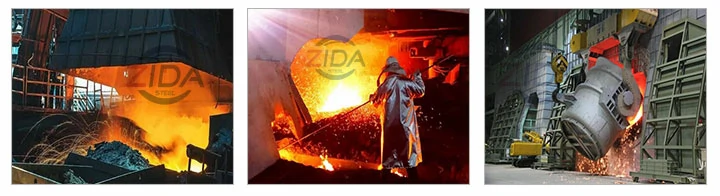
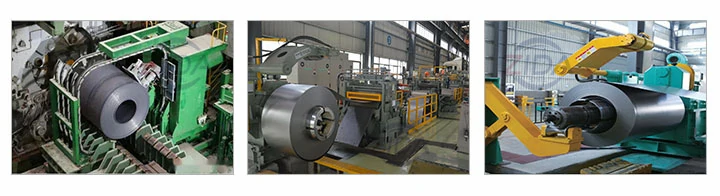
| 1-Sintering Machine | 2-Blast Furnace | 3-Converter |
|
 |
|||
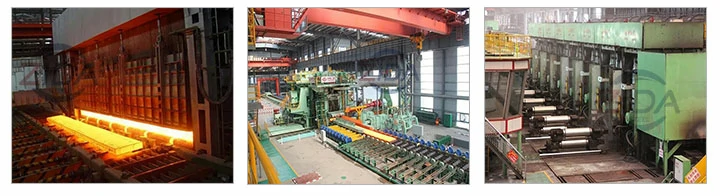
| 7-Walking Beam Type Reheating Furnace |
8-Roughing Mills |
9-Continuous Finishing Mils |
|
 |
|||
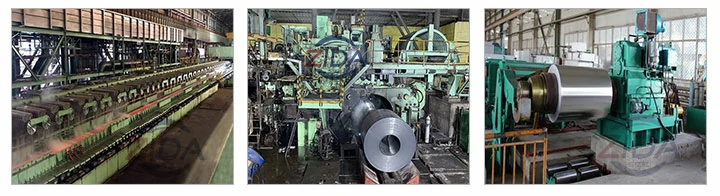
| 10-Lamination Cooling System |
11-Coilers |
12-1-Leveller |
|
 |
|||
| 12-2-Rough leveller |
13-1-Skin pass |
13-2-Cross shear |
|
 |
|||
| 14-1-Dividing shear |
14-2-Finish leveller |
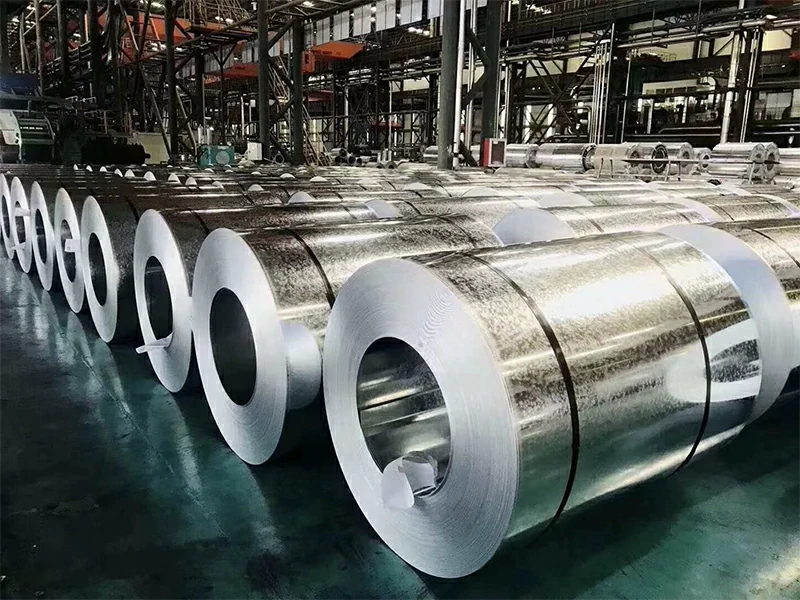
15-Hot rolled Coils/ Plates |
|
|
It’s important to note that the main difference between hot rolled and cold rolled steel is one of process. “Hot rolling” refers to processing done with heat. “Cold rolling” refers to processes done at or near room temperature. Although these techniques affect overall performance and application, they should not be confused with formal specifications and grades of steel, which relate to metallurgical composition and performance ratings. Steels of different grades and specifications can be either hot rolled or cold rolled—including both basic carbon steels and other alloy steels. Knowing which to use can help avoid over-spending on raw materials. It can also save time and money on additional processing. Understanding the differences between hot and cold steel is integral to choosing one over the other. |
|||
|
|
|||
|
|
|
||
|
|
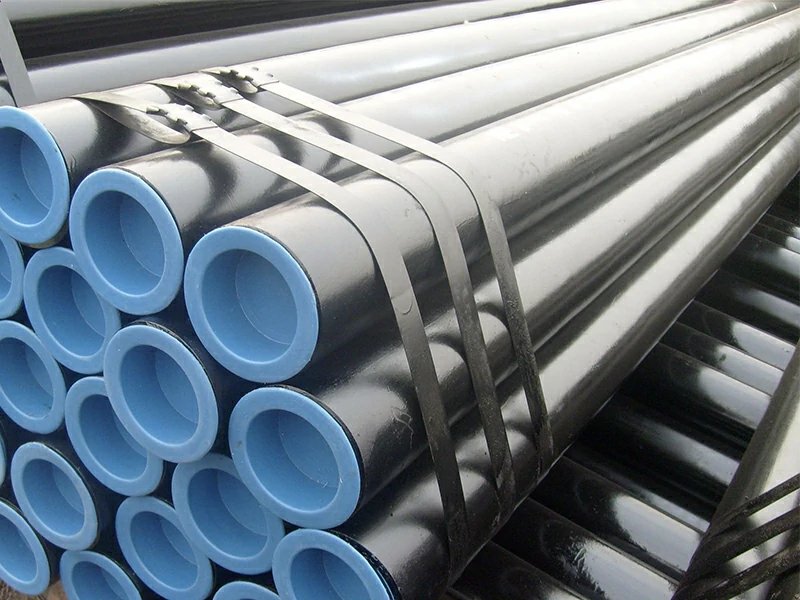
API 5L Gr.B PSL-1 |
Multiple languages can be switched:
Spanish >> es.zidacn.com
Other languages >> https://www.zidacn.com
Arabic >> ar.zidacn.com
CONTACT US